.webp)
Tote Bag for Printing: A Practical Guide to Choosing Durable, Print-Ready Canvas

You want a tote bag that looks great, lasts through regular use and prints well — and you can pick the right fabric and printing method to make that happen. Choose canvas or heavy cotton for durability and crisp print results, and select screen printing for bulk designs or DTG and heat transfer for detailed, short-run work.
Think about how you will use the bag and what image you want to convey; simple, high-contrast artwork prints best and survives more washes. Consider handle length, bag weight and eco credentials to ensure the finished product matches your needs and values.
Key Takeaways
Pick sturdy, print-friendly materials for best results.
Match printing method to design complexity and quantity.
Balance aesthetics, function and sustainability when choosing a tote.
Types of Tote Bags Suitable for Printing
You’ll find options that balance cost, print quality, durability and sustainability. Choose based on the printing method, desired look, and how long you need the print to last.

Cotton Tote Bags
Cotton totes are lightweight, soft and take water-based inks well, making them ideal for screen printing and direct-to-garment (DTG) processes, for all your tote bags UK printing needs. You’ll get good colour vibrancy on lighter fabrics; on dark cotton you’ll likely need a white underbase for opacity, which adds cost and setup time.
Cotton weight usually ranges from 100–200 gsm; choose 140–180 gsm for a balance of economy and durability. Thinner cotton feels flimsy after multiple washes, while heavier cotton holds shape and supports larger prints without distortion.
Look for pre-washed and combed cotton to reduce shrinkage and improve printcloth smoothness. If you need precise registration for multi-colour designs, specify tighter tolerances and stable seams to avoid warping during production.
Canvas Tote Bags
Canvas offers a sturdy, textured surface suitable for high-detail screen printing, heat transfer vinyl (HTV) and patch appliqués. You’ll get a premium feel from 8–12 oz (roughly 270–400 gsm) canvas, which supports large prints and heavier inks without bleeding.
The textured weave can soften extremely fine linework, so adjust artwork or use thicker strokes for crisp results. For long-term use, canvas resists stretching and holds printed designs through repeated wear and washing.
Consider unbleached natural canvas for an eco-friendly look, or pre-dyed and pre-shrunk canvas for consistent colour across a production run. Reinforced bottoms and boxed corners improve load capacity and make prints sit flat.
Jute Tote Bags
Jute brings a coarse, rustic appearance and exceptional strength, useful for eco-branded products and grocery totes. You’ll achieve a distinctive look with screen printing, but expect less colour saturation and some ink absorption into the fibres.
Because jute fibres are uneven, fine detail and small text can blur; use bold, simple graphics and higher-contrast colour palettes. For brighter results, apply a priming or base coat where possible, or choose spot-colour block prints rather than gradients.
Jute’s natural brown tone changes how inks appear; plan colours accordingly or opt for white or light-coloured panels if you need truer hues. Jute handles weight well, but seams and handles should be inspected for reinforcement when printing near stress points.
Recycled Tote Bags
Recycled totes—made from recycled cotton, polyester or blended materials—serve sustainability goals while offering varied print performance. Polyester-based recycled bags suit dye-sublimation and heat transfers for full-colour, photographic prints with excellent durability.
Recycled cotton blends behave like cotton but may show more variability in fibre length, affecting ink absorption and print crispness. Always request fabric swatches and test prints to confirm colour fidelity and hand feel before full runs.
Label carefully: recycled content percentages matter for marketing claims and for matching consumer expectations. Check certifications (GRS, Oeko-Tex) and discuss print compatibility with suppliers to avoid surprises during production.
Printing Methods for Tote Bags
Choose a method based on fabric, run size, colour detail, and budget. Each option below explains material compatibility, ink behaviour, cost drivers, and typical turnaround considerations so you can pick what fits your project and needs for tote bags UK printing.
Screen Printing
Screen printing excels for simple designs and high-volume runs. You push plastisol or water-based ink through a stencil mesh onto cotton or heavy canvas. Plastisol sits on the surface and gives vibrant, durable prints; water-based inks soak slightly into fibres for a softer hand but may require more curing time.
Setup costs include artwork separation and mesh preparation, so unit price falls as quantity rises. You can print solids, spot colours, and simulated process for limited gradients, but each colour needs its own screen. Expect tight registration limits on fine detail unless you use higher mesh counts.
Use screen printing for orders over ~50 units, single- or few-colour logos, and where wash durability matters. Ask your printer about mesh count, ink type, and heat-curing temperature to match fabric weight and desired hand.
Digital Printing
Direct-to-garment (DTG) and dye-sublimation cover digital printing methods suited to full‑colour artwork and have advantages for tote bags UK printing. DTG sprays aqueous pigment inks directly onto cotton; it reproduces photographic detail and small runs economically because there’s minimal setup. Dye-sublimation bonds disperse dyes into synthetic fibres like polyester, producing very durable, vivid prints but it only works on polyester or specially coated substrates.
Digital printing requires pre-treatment on cotton for good ink adhesion and prowashes to ensure colourfastness. Turnaround is fast for one-offs or short runs, but unit cost stays relatively constant regardless of quantity. Resolution, ink gamut, and white-ink coverage (for dark fabrics) are key specifications to check with your supplier.
Heat Transfer Printing
Heat transfer uses printed vinyl, transfer paper, or plastisol transfers pressed onto the tote with heat. Vinyl cutting gives precise, single-colour graphics and a slightly raised finish; printable transfer papers or digital transfers handle full‑colour images for short runs. Heat presses require controlled temperature, pressure, and dwell time to ensure adhesion and avoid scorching.
Transfers suit small batches, custom pieces, and variable-data printing like names or numbers. Durability depends on material: high-quality heat-transfer vinyl lasts well with correct application; cheaper transfers can crack or peel after repeated washing. Confirm wash instructions and test on your chosen fabric before full production.
Embroidery Options
Embroidery adds stitched logos or motifs using polyester or rayon thread on canvas and heavier cotton. It provides a premium, textured finish and excellent durability through washing. Design limitations include stitch density, minimum font size, and stitch path complexity; dense fills can stiffen lightweight fabric and cause puckering.
Digitisation converts artwork into stitch commands; pricing depends on stitch count and machine time rather than colours. Use embroidery for small logos, monograms, or brand marks; avoid it for highly detailed photographic artwork. Ask for a stitch‑count estimate, sample run, and backing stabiliser recommendations to prevent distortion.

Design Considerations for Personalised Tote Bags
Select colours, graphics, print placement and finish that match your use-case and production method. Plan for visibility, washability and brand consistency so the result looks intentional and lasts through regular use.
Choosing Colours and Graphics
Pick colours with specific colour systems. Use Pantone or CMYK values for screen printing and RGB or HEX for digital proofs to avoid mismatches. Test spot colours on the actual fabric, since cotton and canvas absorb dye differently than polyester.
Consider contrast and readability. Dark text on a light bag or vice versa improves legibility from a distance. Limit complex gradients for screen printing; use flat colours or simulated gradients with halftones if needed.
Match graphic detail to the printing method. Fine lines and small text suit digital direct-to-garment (DTG) or sublimation on polyester, while bold shapes and thicker strokes work best for screen printing and vinyl transfers in tote bags UK printing. Provide vector files (SVG, AI, EPS) for scalability and crisp edges.
Placement of Prints
Decide primary placement according to use: centre front for visibility, pocket-area prints for subtle branding, and full-bleed prints for fashion-focused totes. Measure usable print area based on bag size and seam allowances; standard 38cm x 40cm canvas totes often support a 30cm x 30cm central print.
Position prints with human factors in mind. Place prints slightly higher than the geometric centre so designs sit at chest level when carried. For double-sided printing, ensure alignment and avoid placing large prints across seams or near strap attachments.
Provide mock-ups showing exact dimensions and distances from edges. Include safe-zone margins (at least 5–10mm) and indicate bleed areas for full-coverage prints to prevent cropping during finishing.
Branding and Customisation
Ensure logos are supplied in multiple formats and colour variants. Request a primary full-colour logo, a one-colour version for monochrome prints, and a reversed (light-on-dark) version for dark fabrics. Specify minimum logo sizes to maintain legibility—typically no smaller than 25mm in height for text marks.
Balance brand visibility and user appeal. Use subtle tonal prints, woven labels, or heat-seal tags for premium or retail-focused totes. For promotional giveaways, opt for larger, bolder prints and clear calls-to-action or website URLs, from your tote bags UK printing.
Offer options for personalisation that suit production volume. Variable data printing (names or numbers) pairs well with DTG and heat transfer for small runs. For larger orders, consider custom woven labels, embroidered details, or spot-printed name panels to keep unit cost down.
Durability of Printed Designs
Choose inks and techniques aligned to fabric and wash expectations. Plastisol and water-based inks perform well on cotton; sublimation works only on polyester and yields excellent wash-fastness. Ask suppliers for rub, wash and lightfastness test results or certificates.
Consider print placement stress points. Avoid printing across strap joins or high-friction areas to reduce cracking and peeling. Reinforce heavy-use zones with backing or choose printing methods like embroidery for elements requiring extra longevity.
Specify care instructions alongside production: wash inside out at 30°C, mild detergent, avoid tumble drying if using plastisol or heat transfers. Include tumble-dry-safe options if that feature is critical, and verify with pre-production samples to confirm long-term appearance.
Applications and Benefits of Custom Tote Bags
Custom tote bags offer cost-effective branding, practical daily use, and easy customisation for different audiences. They can increase visibility, extend the life of your marketing, and provide a tangible product customers value.
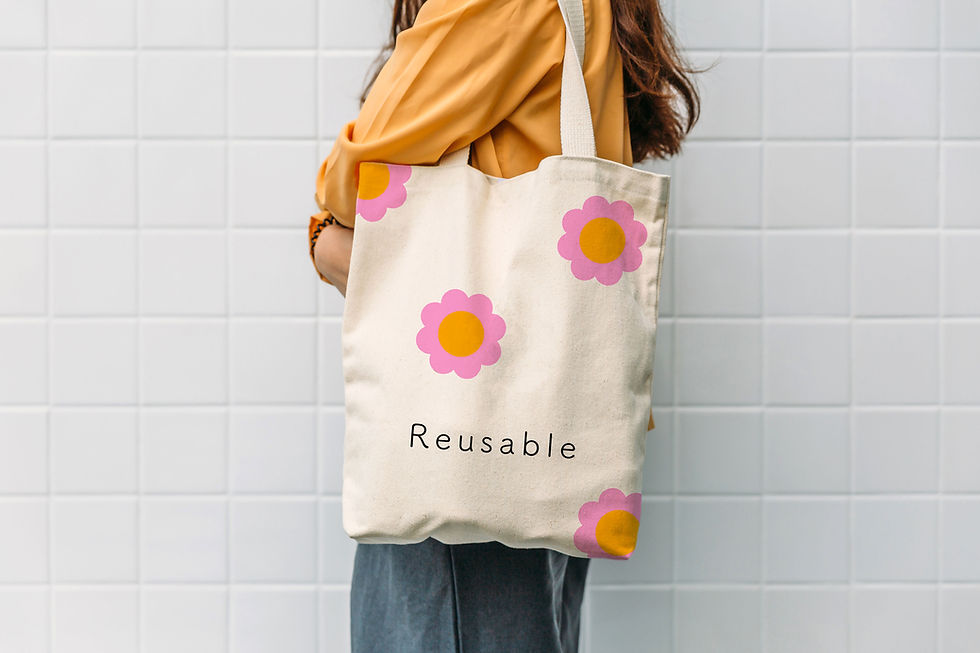
Business Promotions
Use custom tote bags as part of an integrated marketing campaign to increase brand visibility on a daily basis. Print your logo, tagline, and a QR code linking to a landing page to track traffic from bag recipients. Choose durable materials like 300–12oz cotton or canvas to ensure repeated use and long-term exposure.
Specify printing methods for best results: screen printing for solid colours, DTG for photo-detail designs, and heat transfer for small runs or seasonal prints. Order a sample run of 50–200 to test colour fidelity and fabric feel before committing to larger quantities. Include a small care label with washing instructions to preserve both fabric and print.
Price strategically by bundling bags with purchases or offering them as a loyalty reward. Track ROI by using promotion-specific codes or QR codes and measuring redemptions and web visits tied to the campaign.
For more insights, explore our guides on Branded tote bags for marketing impact and Tote bag printer to understand the equipment behind high-quality prints.
Event Giveaways
For conferences, festivals, or trade shows, provide branded tote bags as a practical takeaway that attendees will keep and reuse. Design the bag to include event name, date, and sponsor logos to create a time-stamped memento and sponsor visibility that continues after the event ends.
Choose sizes and pocket options based on event type: A4-sized conference bags for handouts and brochures; larger market totes for festivals that hold purchases. Use vibrant, high-contrast prints to stand out in crowded spaces and ensure logos remain legible from a distance.
Plan logistics: order 10–20% extra for on-site registrations and lost inventory; pack bags pre-filled with schedules, promo materials, and partner flyers to streamline distribution. Use a mix of free and premium printed bags to differentiate VIP or exhibitor kits.
For businesses looking to maximise their tote bags UK printing potential, Screen 27 offers expert guidance and high-quality production. Whether you need canvas, cotton, or recycled options, Screen 27 ensures your tote bags UK printing project meets durability and branding standards. From screen printing for large orders to DTG and heat transfer for short runs, Screen 27 is the go-to partner for tote bags UK printing that stands out. Choose Screen 27 for your next tote bags UK printing order and make your brand visible everywhere your customers go.
Retail Merchandise
Sell custom tote bags as branded merchandise to create an additional revenue stream and deepen customer loyalty. Offer seasonal designs, artist collaborations, or limited editions to encourage repeat purchases and collectability. Tote bags UK printing is an excellent way to showcase your brand, and Screen 27 can help you achieve high-quality results.
Display tote bags UK printing products near checkout and on online product pages with multiple photos and clear dimensions. Price according to material and print complexity; for example, plain cotton with single-colour screen print for entry-level, and heavy canvas with multi-colour DTG for premium. Screen 27 offers a range of options for tote bags UK printing to suit every budget and style. Provide care instructions and show lifestyle images of the bag in real use to reduce returns.
Track inventory by SKU and run small test batches (100–300 units) for new designs to avoid overstock. Use customer feedback and sales data to expand best-selling designs and retire underperforming ones. Partner with Screen 27 for reliable tote bags UK printing to ensure quality and consistency across your merchandise.


Comments