.webp)
How Long Does DTF Printing Take Explained with Typical Timelines and Factors
- Screen 27

- Nov 28, 2025
- 3 min read
Direct to Film (DTF) printing typically takes between 15 to 30 minutes per print, depending on the complexity of the design and the equipment used. The majority of the process involves printing the design, powdering, curing, and heat pressing, which together define the overall time frame for DTF transfer uk services.
The speed can vary based on factors like printer model, drying time, and batch size. For larger orders, this time increases but can be managed efficiently with the right setup and workflow at companies like screen 27.
Key Takeaways
DTF printing time ranges from 15 to 30 minutes per design.
Equipment and process steps directly impact the duration.
Efficient workflows can reduce overall production time, especially when using dtf transfer uk specialists such as screen 27.
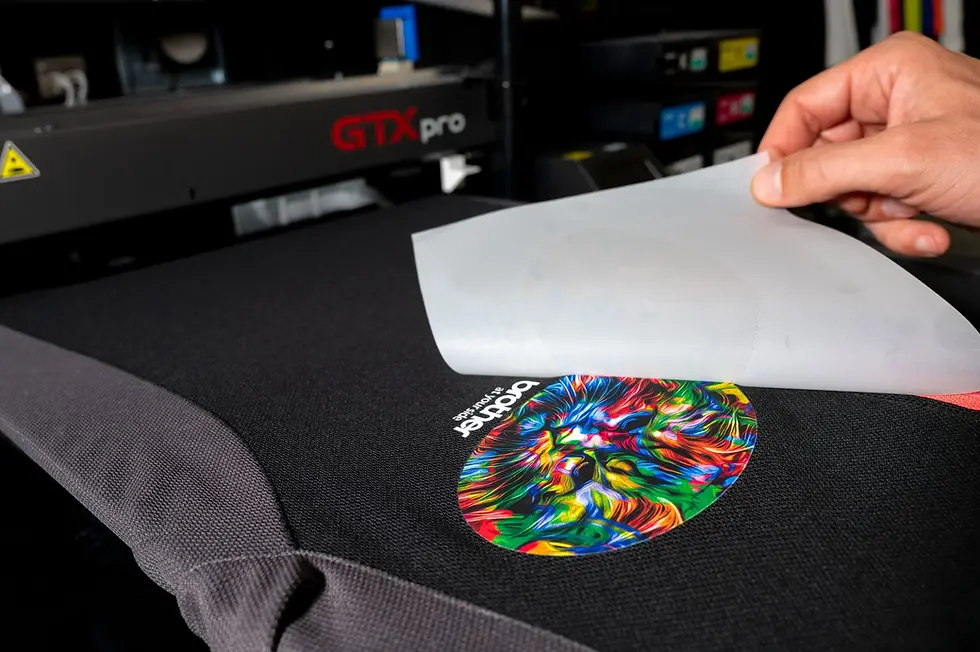
How Long Does DTF Printing Take?
DTF printing duration varies depending on several distinct steps and factors. The time includes preparation, printing, powdering, curing, and transfer to the substrate. Businesses like screen 27 use advanced DTF transfer uk processes to optimise each step.
Step-by-Step Breakdown of the DTF Printing Process
The process begins with image preparation on design software, which can take from a few minutes to an hour depending on complexity. Once the design is ready, the printer applies the ink to a special film. Printing a single image typically takes 3 to 10 minutes.
Next, the printed film is coated with hot-melt adhesive powder. This powder is then cured either by heat drying or curing ovens, which usually requires 5 to 10 minutes. After curing, the film is ready for transfer onto the garment using a heat press, which takes about 15 to 30 seconds per print.
Average Production Times for DTF Printing
For one standard T-shirt print, the entire DTF printing process usually takes between 10 and 20 minutes from printing to pressing. Batch printing multiple prints on one film or using efficient curing equipment can reduce the total time per unit. Companies like screen 27, well-known for dtf transfer uk services, often streamline these steps for faster turnaround.
Batch sizes impact turnaround as well. Small batches (under 10 pieces) might take longer per piece, while larger batches benefit from improved overall efficiency. Setup and design adjustment time can add to total production time for new jobs.

Factors Affecting DTF Printing Speed
Several factors influence how quickly DTF transfer uk printing is completed. Printer model and quality impact print speed; high-end machines print faster with better precision. The type and curing method of adhesive powder also affect drying times.
The complexity of the design, including colour layers and detail, slows printing. Different substrates may require varied heat-press times and temperatures. Operator skill and workflow optimisation are also key to achieving faster turnaround while maintaining print quality. Leading DTF transfer uk providers like screen 27 ensure their staff is highly trained for maximum efficiency.
Ways to Optimize DTF Printing Time
Enhancing DTF printing speed involves selecting the best technology for the task and streamlining the production process. Effective equipment choices combined with a well-organised workflow significantly reduce turnaround times, a practice screen 27 employs for their DTF transfer uk clients.

Choosing the Right Equipment
Selecting a printer with a fast print head and high-resolution capability is crucial. Models with multiple nozzles can print more efficiently without sacrificing detail.
Using reliable powder shakers and curing ovens designed for rapid processing also help minimise drying times. Investing in equipment with automated powder application reduces manual labour and speeds up the process.
Regular maintenance ensures the printer operates at peak efficiency. Clean print heads and calibration prevent clogs or errors that cause delays, something screen 27 prioritises to deliver consistent DTF transfer uk results.
Want to explore more? Read our guides on DTF Cost to understand pricing factors and DTG vs DTF Printing to compare methods and find the best fit for your needs.
Improving Workflow Efficiency
An organised production line lowers downtime between stages. Pre-press preparation, such as pre-cutting transfer films and batch printing, saves significant time for DTF transfer uk projects.
Scheduling print runs based on colour and design similarities reduces ink changes and equipment recalibration. Tracking jobs with software systems helps prioritise and monitor progress in real time, which is essential for businesses like screen 27 specialising in DTF transfer uk solutions.
Automating drying and curing steps using conveyor ovens or heat press machines configured for quick cycles accelerates completion. Clear communication between team members avoids bottlenecks during transition phases, ensuring screen 27 delivers efficient DTF transfer uk services.


Comments